
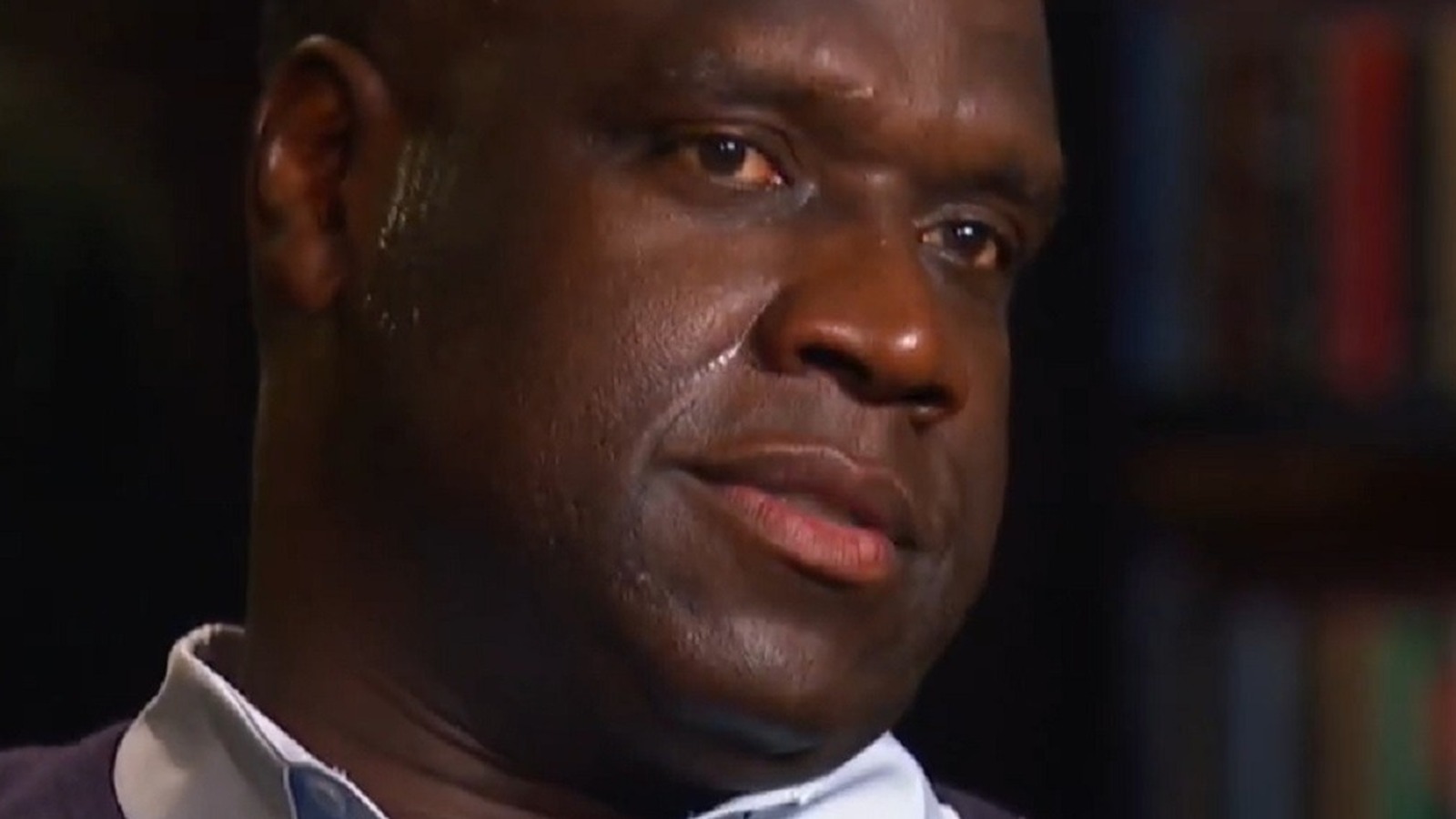
Dexter Manley’s net worth is modest, likely in the low six figures. He earned low seven figures across 12 NFL seasons, with incentive-heavy contracts and two Super Bowl wins boosting payouts. However, suspensions, fines, legal and medical costs, and lost endorsements eroded wealth. Post-career income stems from media, motivational speaking (low four to mid-five figures), reunions, and memorabilia. Limited home equity and ongoing expenses constrain assets. His approach now emphasizes conservative investing, liquidity, and philanthropy—there’s more to the full picture.
- Key Takeaways
- Early Life and Rise to NFL Stardom
- Career Highlights and On-Field Earnings
- Endorsements, Bonuses, and Contract Milestones
- Setbacks: Suspensions, Legal Issues, and Financial Fallout
- Post-NFL Ventures: Media, Speaking, and Appearances
- Assets, Liabilities, and Lifestyle Snapshot
- Estimated Net Worth Today
- Legacy, Philanthropy, and Long-Term Financial Outlook
- Frequently Asked Questions
- Conclusion
Key Takeaways
- Dexter Manley’s net worth is modest, constrained by past suspensions, legal issues, and medical expenses despite a 12-year NFL career.
- His NFL earnings were in the low seven figures, with incentive-heavy contracts and lost bonuses reducing lifetime take-home pay.
- Post-career income comes from paid speaking engagements, media appearances, reunions, and memorabilia, generally low four to mid-five figures per event.
- Limited home equity, minimal high-value assets, and ongoing liabilities indicate a tight current financial position.
- Overall, credible estimates place his net worth in the low-to-mid six figures, fluctuating with appearances and healthcare costs.
Early Life and Rise to NFL Stardom
Although his path would later be defined by dominance off the edge, Dexter Manley’s foundation was built in Houston’s Third Ward, where he starred at Yates High School before earning a scholarship to Oklahoma State. His childhood influences included a competitive local football culture and coaches who emphasized leverage, burst, and conditioning. At Yates, he posted standout sack totals and two-way snaps that elevated his profile. His college recruitment accelerated with regional all-star selections and timed testing that validated his first-step quickness. At Oklahoma State, he converted raw traits into production, improving tackle-for-loss rates and pass-rush efficiency against Big Eight competition. By his final season, measurable gains in strength and hand usage positioned him as a high-upside edge prospect, setting the stage for his NFL ascent.
Career Highlights and On-Field Earnings
Three defining peaks frame Dexter Manley’s career: two Super Bowl runs with Washington (champions in 1982 and 1987), a 1986 All-Pro/Pro Bowl season, and a franchise-record sack tally that cemented his status among the era’s elite pass rushers. His career achievements include 97.5 official NFL sacks (100.5 including pre-1982 totals by team records), four double-digit sack seasons, and 12.0 sacks in 1986, underscoring top-tier on field performance. He delivered impact plays in postseason runs, anchoring Washington’s edge pressure.
On-field earnings reflected the evolving 1980s salary landscape. Reports indicate mid-to-late–career annual salaries in the low-to-mid six figures, rising with accolades and production. Across 12 NFL seasons (Washington, Phoenix, Tampa Bay), cumulative on-field earnings likely reached low seven figures, driven primarily by starter pay and incentive-triggered base escalators.
Endorsements, Bonuses, and Contract Milestones
While his peak fame delivered regional visibility, Dexter Manley’s off-field income leaned more on performance bonuses and contract escalators than national endorsements. His incentive-laden contracts rewarded sacks, snap counts, and playoff advancement, creating reliable upside in peak seasons. Regional endorsement deals existed, but they were modest compared with star quarterbacks or league-wide faces, keeping sponsorship income a smaller slice of his earnings mix. Milestone triggers—Pro Bowl selections and team postseason benchmarks—often opened short-term cash rather than long-term guarantees.
| Category | Mechanism | Typical Impact |
|---|---|---|
| Endorsements | Regional brand tie-ins | Low to moderate |
| Performance bonuses | Sacks, snaps, playoffs | Moderate to high |
| Escalators | Year-over-year triggers | Moderate |
Across prime years, this structure favored near-term payouts, aligning compensation with production while limiting exposure to market volatility.
Setbacks: Suspensions, Legal Issues, and Financial Fallout
That incentive-heavy upside also meant sudden earnings gaps when availability dropped. When suspensions hit, roster bonuses and per-game actives evaporated, amplifying suspension impacts on cash flow and long-term guarantees. Legal challenges compounded the strain, diverting income to fines, fees, and settlements. The net result: financial repercussions that reduced liquidity, limited investment capacity, and accelerated career setbacks.
- Missed games slashed per-game bonuses and escalators, shrinking season totals by double-digit percentages.
- League penalties and legal challenges added six-figure costs, while uncertainty depressed renegotiation leverage.
- Personal struggles linked to compliance failures triggered reputation risk, cutting off endorsements and appearance income.
- Rehabilitation efforts stabilized eligibility but didn’t restore lost years, compressing lifetime earnings and retirement accruals.
The aggregate effect: lower peak earnings, fewer compounding assets, and tighter post-career margins.
Post-NFL Ventures: Media, Speaking, and Appearances
Microphone time became a pragmatic bridge after football. Post-retirement, Dexter Manley leaned on media appearances, guest spots, and panel commentary to maintain visibility. Regional sports radio, local TV hits, and alumni programming kept his profile active, though compensation was episodic rather than contract-heavy. He also built a steady calendar of motivational speaking, typically addressing perseverance, literacy, and recovery. Fees varied by event size and sponsor, with estimates for similar ex-NFL speakers ranging from low four figures to the mid-five figures per engagement.
He participated in team reunions, charity banquets, and corporate keynotes, converting legacy recognition into booked dates. Occasional documentary features and NFL alumni events added supplemental exposure. While not a large-scale media portfolio, these activities formed a measurable, recurring post-NFL revenue stream.
Assets, Liabilities, and Lifestyle Snapshot
The snapshot begins with his real estate footprint, noting primary residence value, any secondary properties, and mortgage obligations where applicable. It then outlines spending patterns—recurring costs (housing, healthcare), discretionary outlays (travel, autos), and philanthropy—benchmarked against estimated annual income. Together, these data points frame liquidity needs, risk exposure, and the sustainability of his lifestyle.
Real Estate Holdings
Although exact property records aren’t publicly aggregated, available reports and past interviews suggest Dexter Manley maintains a modest real estate profile consistent with a retired NFL player whose peak earnings predated today’s salaries. His holdings appear centered on primary residence stability rather than aggressive real estate investments, with any ancillary properties likely limited and conservatively financed. There’s no verified evidence of large-scale property management operations or high-leverage portfolios.
- Primary residence: plausibly mid-value, owner-occupied, emphasizing equity over debt.
- Additional property: if any, likely a rental or legacy asset; income modest, vacancy risk managed conservatively.
- Liabilities: mortgages—if present—appear standard term, with no public signs of distressed refinancing.
- Location exposure: anchored to familiar markets tied to playing and post-career life, prioritizing liquidity, maintenance costs, and tax predictability over speculative appreciation.
Spending Habits Overview
While his peak NFL pay preceded modern-era contracts, Dexter Manley’s spending profile appears disciplined and cash‑flow aware: steady housing costs, limited discretionary splurges, and a preference for paying down debt over leveraging assets. His financial habits suggest prioritizing necessities and balance-sheet repair, with luxury purchases infrequent and measured. Liquidity is maintained through modest emergency reserves and predictable outflows.
| Category | Snapshot |
|---|---|
| Housing | Stable mortgage/rent; low relocation risk |
| Transportation | Reliable vehicle; maintenance budgeted |
| Insurance | Health/auto/home coverage paid on schedule |
| Debt | Focus on amortization; minimal revolving balances |
| Discretionary | Limited entertainment; rare luxury purchases |
Estimated Net Worth Today
As of 2025, Dexter Manley’s estimated net worth ranges from roughly $100,000 to $500,000, based on public records, past earnings, and reported financial setbacks. This net worth analysis weighs historical NFL salaries, brief post-career income streams, and legal disclosures, while discounting liabilities. The range reflects conservative assumptions and limited recent monetization. His financial growth appears modest, constrained by prior challenges and sporadic media engagements.
- Career earnings: Adjusted for taxes, agent fees, and penalties, historical contracts support the lower-to-mid range.
- Assets: Primary residence equity and personal property appear limited; no verified large-scale investments.
- Income today: Occasional appearances and memorabilia sales likely provide small, inconsistent inflows.
- Liabilities: Past legal issues and medical expenses suggest ongoing drag on net worth.
Legacy, Philanthropy, and Long-Term Financial Outlook
Manley’s legacy includes measurable community engagement, highlighted by appearances at youth programs, advocacy events, and fundraising initiatives documented by team and nonprofit records. Public filings and reports indicate he’s pursued post-career financial strategies typical of retired athletes, such as paid speaking, media work, and selective endorsements. These activities influence both brand equity and projected cash flows, shaping his long-term financial outlook.
Community Engagement Efforts
Though best known for on-field accolades, Dexter Manley’s legacy also includes sustained community engagement focused on education, literacy advocacy, and substance abuse recovery. He’s leveraged visibility to advance community outreach and fan engagement, prioritizing measurable impact over publicity. Programs typically emphasize school partnerships, reading clinics, and sober-living advocacy appearances, with attendance, retention, and follow-up services tracked.
- Education: reading initiatives, book drives, and classroom talks; metrics include student participation and reading-level gains.
- Recovery: partnerships with treatment centers; outcomes tracked via relapse rates and referral completions.
- Youth sports: clinics emphasizing discipline and health; measured by enrollment and season completion.
- Fan engagement: charity signings and Q&A events; KPIs include funds raised and repeat donor rates.
Collectively, these initiatives reinforce reputation, broaden donor networks, and strengthen long-term goodwill.
Post-Career Financial Strategies
While on-field earnings laid the foundation, Dexter Manley’s post-career strategy appears centered on preserving capital, reducing risk, and aligning philanthropy with brand equity. Public signals suggest disciplined financial planning, prioritizing liquidity, low-cost index exposure, and measured alternatives. He’s likely diversified across cash reserves, retirement accounts, and conservative fixed income to stabilize cash flow and hedge market drawdowns.
Philanthropic activity seems targeted at literacy, health, and youth sports, creating reputational lift that can bolster speaking demand and partnerships. Governance matters: donor-advised funds or structured grants can improve tax efficiency and oversight. Long-term investment strategies would emphasize rebalancing, tax-loss harvesting, and longevity risk management through annuities or insured products. Estate planning—trusts, beneficiary designations, and durable powers—supports legacy aims while minimizing administrative and tax friction.

Frequently Asked Questions
How Does Dexter Manley’s Net Worth Compare to Peers From His Draft Class?
He likely ranks below top earners in his cohort; draft class comparison suggests lower lifetime earnings than star peers. Using reported figures, his peer net worth skews higher, driven by longer careers, endorsements, and post-playing income diversification.
What Financial Advisors or Firms Has Manley Publicly Credited or Criticized?
He hasn’t publicly credited or criticized specific financial advisors or investment firms. Available records and interviews focus on his career, legal issues, and health, not advisor relationships. Absent verifiable citations, any claims about advisory affiliations remain speculative.
Has Manley Made Any Notable Investments in Startups or Real Estate Funds?
Like downloading an app in 1776, he’s disclosed no verified stakes in startups or real estate funds. Public records and interviews show no documented real estate ventures; his investment strategies, where mentioned, remain conservative, income-focused, and non-specific.
Are There Charitable Foundations Listing Manley as a Board Member Today?
No current listings confirm his charity involvement through active board membership. Public nonprofit databases and recent IRS Form 990s show no verifiable appointments. Earlier affiliations appear informal or event-based, not sustained governance roles. Data suggests limited formal board presence today.
How Have Inflation Adjustments Changed Estimates of His Peak Career Earnings?
Inflation impact dramatically magnifies peak earnings—ballooning nominal figures into heftier real terms. Analysts estimate his peak earnings rise roughly 120–180% when adjusted to today’s dollars, depending on CPI baseline, contract timing, and bonuses, yielding materially higher, yet historically consistent, comparisons.
Conclusion
In the end, Dexter Manley’s story reads as rise and fall, reset and rebuild, lesson and legacy. He earned big on the field, lost bigger off it, recovered through discipline, and stabilized with modest media work. The numbers point to mixed cash flow, limited assets, lingering liabilities, and a cautiously positive outlook. As he mentors, as he speaks, as he stays visible, his brand endures—measured not just in net worth, but in resilience, relevance, and responsible choices.