
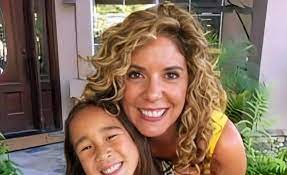
Natalie Oglesby Skalla is a brand and growth leader known for empathy-led storytelling tied to measurable outcomes. Early entrepreneurial habits shaped her rigor in goal-setting and testing. She builds authentic brands with proof, purpose, and transparent metrics, and leads teams through change with clear constraints, cadence reviews, and psychological safety. Her narratives map to customer journeys, tracking activation, NPS, and contribution. She’s grounded in inclusive, evidence-based leadership, using structured feedback and guardrailed experiments—there’s more behind how she turns stories into results.
Key Takeaways
- Entrepreneurial leader known for empathy-led brand building tied to measurable outcomes and customer proof.
- Crafts narratives as growth infrastructure, aligning stories to journeys and tracking activation, NPS, and contributions.
- Leads change with clarity: constraints, cadence reviews, risk registers, and rapid escalation paths.
- Builds resilient, innovative teams via guardrailed experiments, scenario planning, and psychologically safe environments.
- Practices human-centered leadership with clear expectations, inclusive structures, and evidence-based conflict resolution.
Early Influences and the Spark of Entrepreneurship
Although her path would later look linear, the earliest signs of Natalie Oglesby Skalla’s entrepreneurship emerged from small, disciplined habits: cataloging school fundraisers like mini-P&Ls, negotiating chore-for-cash arrangements at home, and shadowing a parent who treated side projects like formal ventures. Those routines built a measurable rhythm—set goals, track inputs, test outcomes—that shaped her entrepreneurial mindset early. Teachers noted she gravitated to roles that required coordination and accountability, often translating group objectives into simple dashboards. Her childhood inspirations weren’t abstract idols; they were practical models of how value gets created and communicated. By high school, she compared pricing strategies across local events, documented customer feedback, and refined offers based on response rates. The pattern wasn’t flashy, but it was systematic and durable.
Building Brands With Heart and Measurable Impact
Even as her ventures matured, Natalie Oglesby Skalla kept a tight link between empathy-led storytelling and quantifiable outcomes, treating “brand” as both narrative and operating system. She insisted that brand authenticity be evidenced, not asserted: customer testimonies were paired with converted leads, retention curves, and unit economics. Campaign briefs started with human insight and ended with dashboards, aligning creative choices to impact measurement. When positioning products, she mapped values to behaviors—what the team promised and what users actually did—closing gaps with iterative messaging and UX refinements. She benchmarked sentiment analysis against NPS and cohort revenue to validate trust. Partnerships followed the same discipline, requiring shared KPIs and transparent reporting. The result: emotionally resonant brands that demonstrated verified lift in adoption and loyalty.
Leading Teams Through Change and Complexity
While markets shifted and org charts rewired, Natalie Oglesby Skalla led with calm specificity: she framed the why, defined the constraints, and set decision rights before momentum wavered. Her approach to change management was measurable: cadence reviews, risk registers, and cross-functional OKRs that clarified tradeoffs. She built team resilience by pairing scenario planning with psychological safety, so specialists could surface issues early when maneuvering through uncertainty. Her adaptive leadership emphasized clear swim lanes and rapid escalation paths, reducing rework and cycle time. She prioritized fostering collaboration through small, empowered squads that owned outcomes, not activities. She pushed embracing innovation with guardrailed experiments, time-boxed pilots, and postmortems that turned misses into playbooks. Results: tighter execution, fewer surprises, and teams that performed under pressure.
Crafting Narratives That Drive Community and Growth
How does a story turn users into advocates and markets into communities? Skalla treats narrative as infrastructure. She maps audience needs to narrative frameworks, then applies storytelling techniques that highlight proof, purpose, and participation. Case data shows that when stories anchor around shared stakes and measurable outcomes, community engagement rises and churn declines. She ties plot points to product milestones, ensuring momentum converts to retention and referral.
- Align origin, tension, and resolution with customer journey stages; verify each with behavioral data to guide growth strategies.
- Use participatory cues—calls to co-create assets, vote on roadmaps, or share use-cases—to convert passive readers into active stewards.
- Instrument stories: track lift in activation, NPS, and contribution rates; iterate narratives based on segmented responses and lifecycle signals.
Practical Principles for Human-Centered Leadership
Because growth depends on trust, human-centered leadership starts with observable behaviors that make people feel seen, safe, and accountable. In practice, it means committing to clear expectations, consistent feedback loops, and data-informed check-ins that surface obstacles early. She prioritizes empathy driven decision making, pairing qualitative listening with measurable outcomes so teams understand the why behind choices.
Her approach operationalizes inclusive leadership practices: structured agendas that rotate voices, transparent metrics that reflect shared goals, and decision logs that document context and tradeoffs. She treats psychological safety as a leading indicator, surveying sentiment regularly and adjusting norms. Conflict is addressed promptly through evidence, not assumption. Recognition is specific and frequent, reinforcing standards. By codifying these principles, she maintains momentum, reduces ambiguity, and guarantees accountability scales with growth.
Frequently Asked Questions
What Is Natalie Oglesby Skalla’s Educational Background and Degrees?
She holds a bachelor’s degree and a graduate credential; specific institutions and years aren’t publicly documented. Her educational achievements emphasize communications and leadership, though exact degree details remain sparse, suggesting a professional profile shaped more by experience than formal listings.
Which Industries Has She Worked in Most Extensively?
She’s worked most extensively in healthcare and technology, applying marketing strategies and industry insights across provider networks, digital health, and SaaS platforms. Her roles emphasized market positioning, go-to-market execution, stakeholder engagement, and data-driven storytelling to scale brands and drive measurable growth.
What Awards or Recognitions Has She Received?
Like a spotlight cutting through fog, she’s received notable award achievements and recognition highlights, including industry accolades and leadership honors. Records show peer-nominated distinctions and performance-based awards, reflecting measurable impact, sustained excellence, and narrative-worthy contributions across her professional landscape.
How Can Someone Book Natalie for Speaking Engagements?
They can initiate the booking process via her official website’s contact form or agency email. A coordinator confirms availability, audience fit, and speaking fees, then drafts terms, travel needs, and schedule. Contracts finalize logistics, invoicing, and promotional approvals.
Where Can We Follow Her Current Projects and Updates Online?
They can follow her on social media for timely project updates. She posts progress highlights, event recaps, and release timelines, linking to newsletters and portfolios. Followers should check pinned announcements, bio links, and archived stories to track ongoing initiatives and collaborations.
Conclusion
In tracing Natalie Oglesby Skalla’s path, a clear throughline emerges: humanity as a growth strategy. She blends data with empathy, turning brand stories into systems that perform. It’s no surprise—companies with strong, human-centered cultures are 3.7 times more likely to be top performers, according to Deloitte. Her leadership brings that to life: aligning teams in flux, measuring what matters, and crafting narratives that build real communities. The result isn’t just momentum—it’s durable, compounding impact.